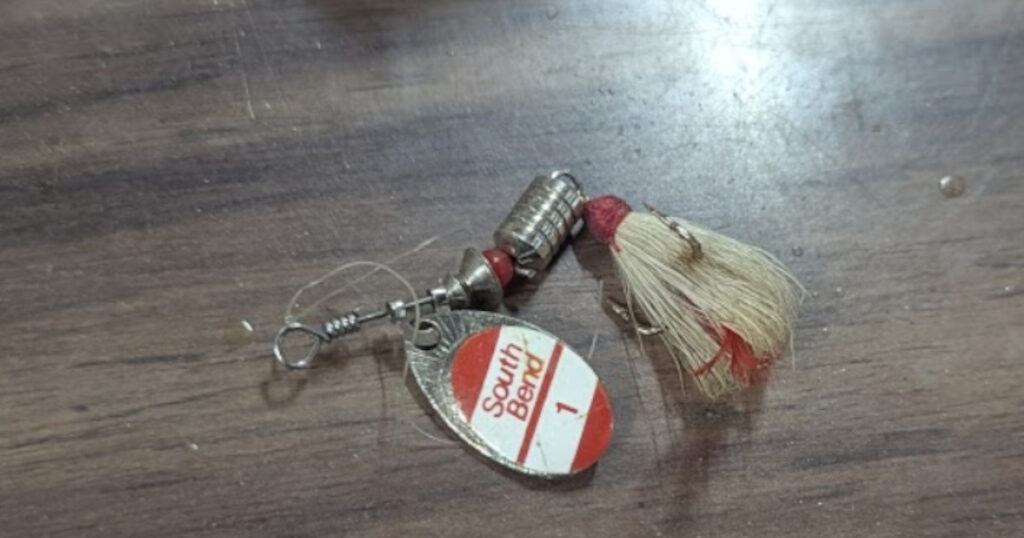
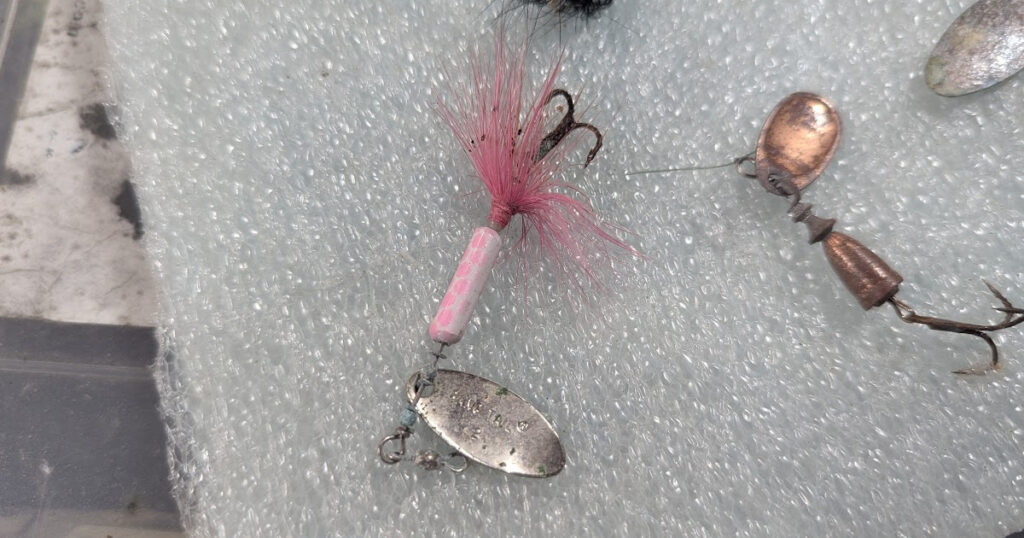
If you are like me Rooster Tail spinners (or knock-offs of them) have been rattling around in your tackle box for years or decades.
It’s one of those lures that never goes out of style — not because it’s flashy or new, but because it flat-out catches fish, year after year, river after river.
Growing up in the PNW, I couldn’t tell you how many fish I’ve caught over the years on some variation of a Rooster Tail spinner. From plinking them into creeks, to trolling them in lakes, they have just always worked.
From my experience fishing with them, I’ve put together this guide on how to fish one the right way, in rivers, lakes, and everywhere in between.
A Spinner With a Seattle Connection
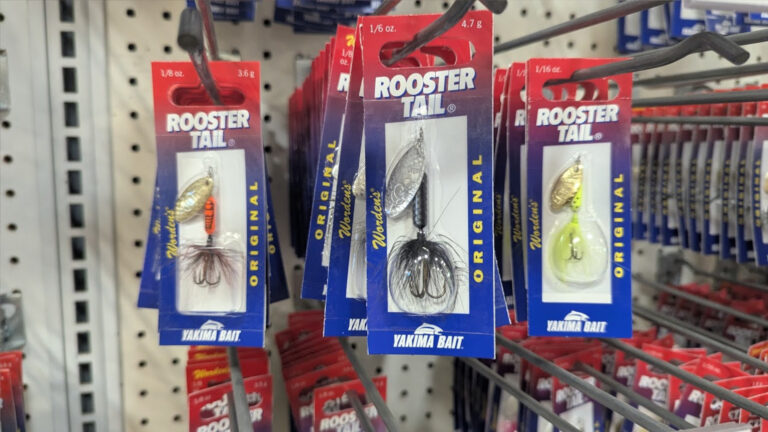
The Rooster Tail has deeper Northwest roots than most anglers realize. Howard Worden built the original version back in the 1950s — a spinner with a willow-leaf blade, a weighted body, and a distinctive hackle feather tail. He and his fishing buddies were running it on lakes in Northern California under the name “Retreat Special” when Worden caught the hydroplane races on Lake Washington in Seattle. Watching the boats throw up giant plumes of spray off their sterns, the name clicked. By the next day, the lure had a new identity, and Yakima Bait Company has been selling it ever since.
Trout anglers across the Northwest were the first to make it a staple, long before bass anglers down south caught on. Decades later, it’s still doing the same job it did in the 1960s: getting bit.
Why It Still Works
Three things make the Rooster Tail effective, and they all work together. The spinning blade throws flash and vibration that fish can pick up even in stained water. The hackle tail pulses and breathes as the lure moves, giving it life even during a dead-slow retrieve or a simple downstream drift. And the weighted body gets it down into holding water fast, without needing added weight on the line.
It’s also genuinely versatile. While it’s best known as a trout lure, the same action fools steelhead, salmon, bass, crappie, and perch. That’s a big part of why it’s stuck around in tackle boxes for 60-plus years.
How to Fish a Rooster Tail in Rivers and Streams
Moving water is where the Rooster Tail earns its reputation. The weighted body gets it into deeper holding lies, and it fishes well through riffles and along current seams where trout sit and feed.
Cast slightly upstream and let the lure drift with the current. As it swings down and out to about a 45-degree angle below you, lift the rod tip. That motion engages the blade and lets the lure sweep across the current toward your side of the river. Once it gets close enough to shore that the current can no longer keep your line taut, start a normal retrieve back in.
Don’t assume the strike only comes on the retrieve. A lot of trout hit the Rooster Tail while it’s simply drifting downstream — the hackle tail’s motion, the blade’s flutter, and the color are often enough on their own. Fish will also follow the lure as it swings toward shore and strike right as you start reeling, so stay ready through the whole cast, not just the last few feet.
Vary your cast distance to cover the whole width of the hole or run — short casts, medium casts, long casts across. When you’ve worked a stretch of water this way, step downstream a few feet and repeat. That systematic coverage is what separates anglers who fish a hole for five minutes and move on from anglers who actually clean it up. And don’t overlook undercut banks — some of the biggest fish in any run hold tight against the bank where the current has carved out a pocket.
How to Fish a Rooster Tail in Lakes and Ponds
Rooster Tails work just as well off a still bank or from a boat, but the technique shifts. Instead of casting and retrieving immediately, cast out and let the lure sink, counting as it drops. When you feel it hit bottom, note the count — say, eight seconds.
On your next cast, count to seven and lift the rod tip to engage the blade before you start the retrieve. That puts the lure just off bottom, working through a different depth than your first cast. Keep adjusting the count up or down until fish tell you where they’re holding, then repeat that same count on subsequent casts to stay in the strike zone.
Fan your casts out — left, center, and right — to cover the full range of depths and distances around you before moving to a new spot. Trout in lakes will often follow a spinner a long way before committing, so a slow, steady retrieve usually out-produces a fast one.
Trolling a Rooster Tail
Rooster Tails aren’t just a casting lure. Trolled behind a small trolling sinker or off a downrigger, they’re effective for covering water in reservoirs and larger lakes where fish are scattered. It’s a simple way to search for active fish before you commit to anchoring up and casting a specific area.
Dialing In Color and Blade
Yakima Bait offers well over a hundred color combinations of the Rooster Tail, which is more choice than most anglers need — but color does matter, and a little strategy goes a long way.
Start with darker, natural tones like black, brown, or green. If those aren’t producing, switch to white or yellow — the yellow coachdog pattern (yellow body with a black pattern) has a long track record on Northwest rivers. Blade color makes a difference too. Silver is the standard starting point, but on tougher days or in different light and water conditions, switching to brass or copper can turn a slow morning around. There’s no substitute for testing a few combinations until the fish tell you what they want.
If standard Rooster Tails aren’t getting looks, it’s worth trying the Vibric Rooster Tail, a variant with added flash and vibration built into the blade design. It’s proven especially effective in clear water and has converted more than a few skeptical anglers who thought spinners couldn’t compete with flies.
Gear Section: Good, Better, Best
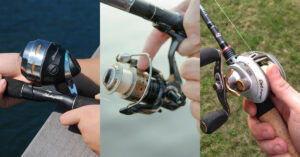
A Rooster Tail will catch fish on almost any spinning setup, but the right line, rod, and reel make it easier to feel strikes, cast small lures accurately, and land more of what you hook. Here’s how to gear up at three different budgets.
Best Line for Fishing Rooster Tails

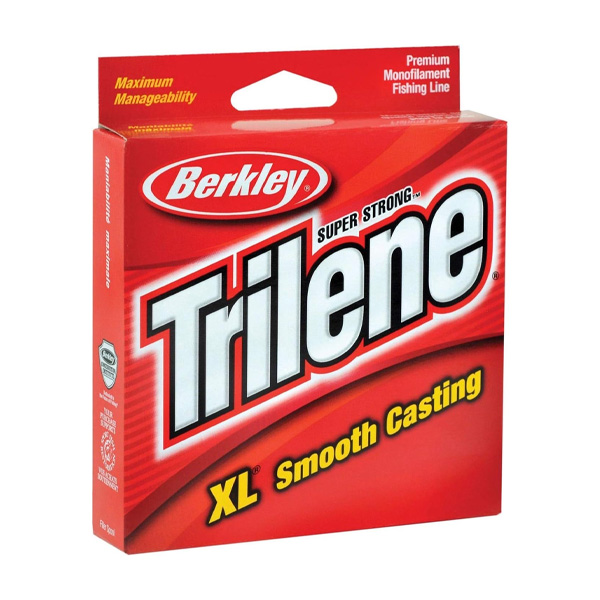
Berkley Trilene XL (4–6 lb)
The same low-memory mono that’s been a Northwest staple for decades — casts smooth, resists twist, and won’t punish a light spinner’s action. A safe, dependable starting point, and the one I typically choose.

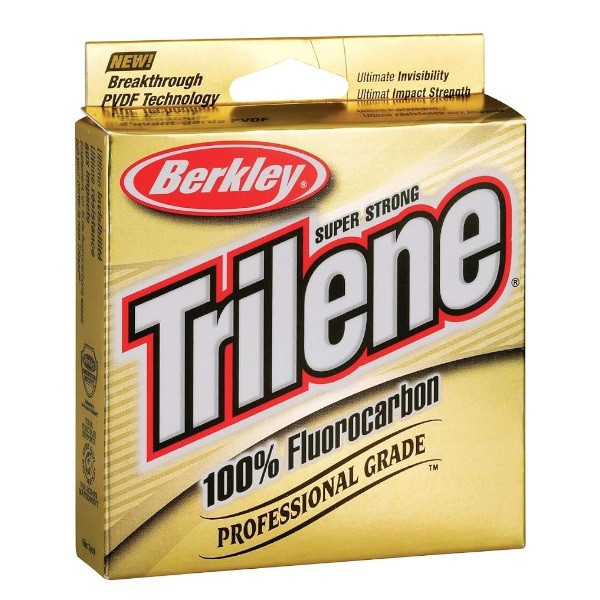
Berkley Trilene 100% Fluorocarbon (6 lb)
Nearly invisible underwater and sinks faster than mono, which helps a Rooster Tail get down into a run without adding split shot. Worth the step up once you’re fishing clearer water or pickier fish.

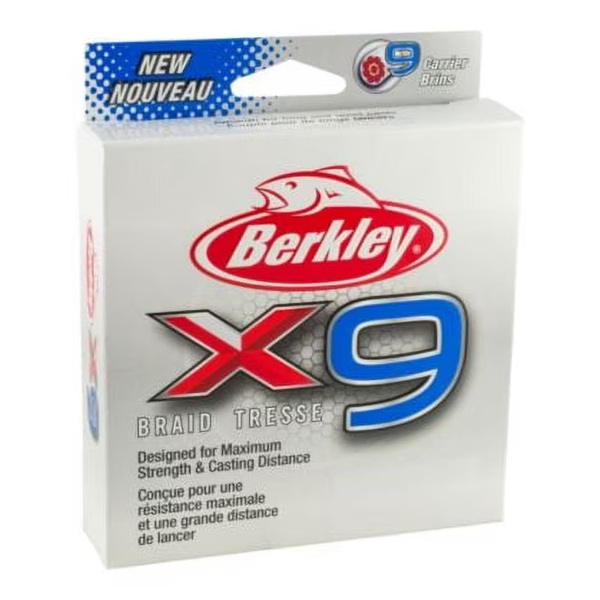
Berkley x9 Braid (8 lb)
Braid gives you the sensitivity to feel every pulse of the hackle tail and the distance to reach across a wide run. You do need a fluorocarbon leader to keeps things invisible where it counts, right at the lure.
Best Rod for Fishing Rooster Tails
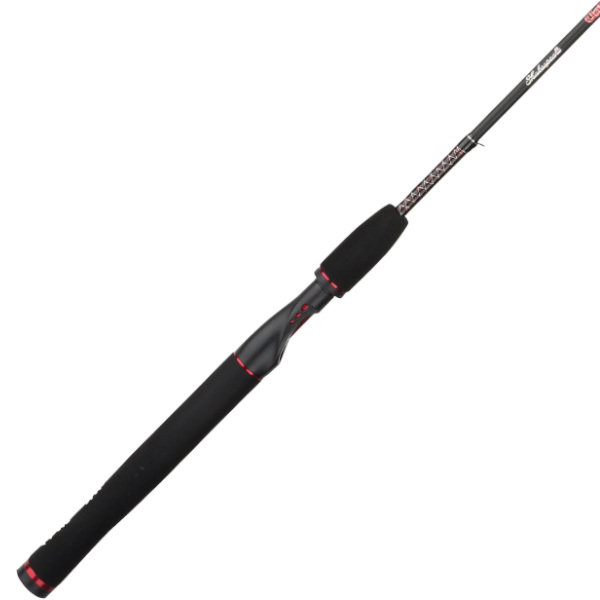
Ugly Stik GX2 Spinning Rod (6'6"–7', Light)
Nearly indestructible for the price, with enough tip sensitivity to feel a Rooster Tail’s blade thump through the retrieve. The rod most PNW trout anglers cut their teeth on.
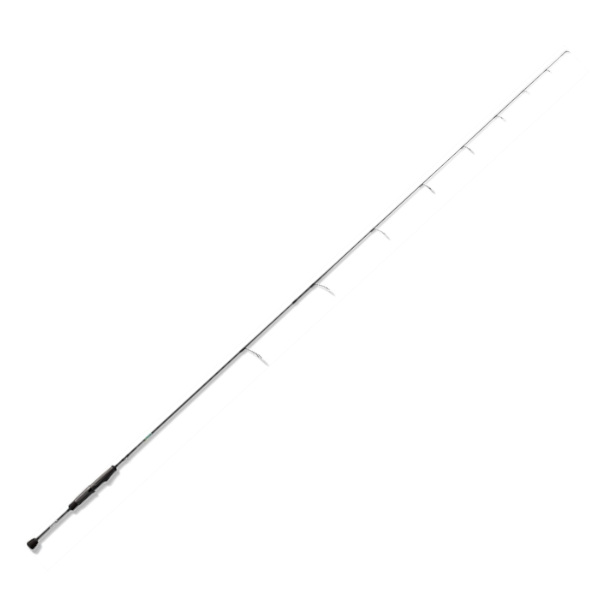
St. Croix Trout Rod (7', Light)
A noticeable jump in blank sensitivity and cast accuracy over an entry-level rod — you’ll feel the blade start spinning the moment it hits water.
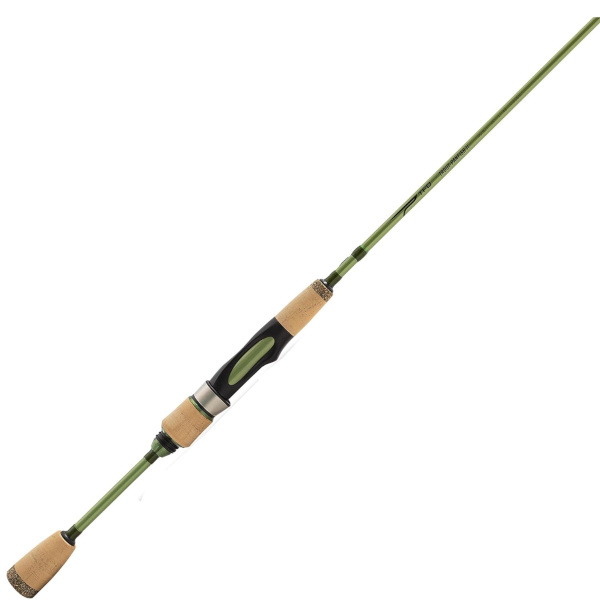
Temple Fork Outfitters Trout & Panfish II Spinning Rod (7', Light)
Built specifically for this kind of finesse fishing rather than adapted from a general-purpose blank — the IM carbon construction telegraphs everything happening at the business end, and it’s backed by TFO’s full lifetime warranty against defects.
Best Reel for Fishing Rooster Tails
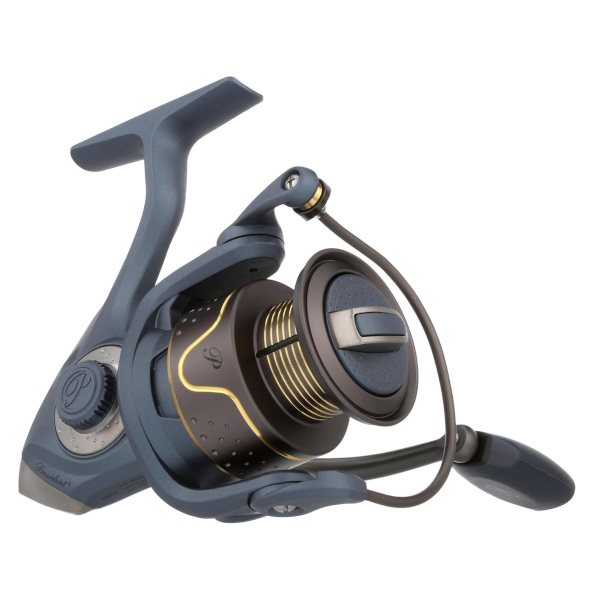
Daiwa BG 2000 or Pflueger President 2000
Smooth enough drag for light tippet, tough enough internals to handle a season of bank fishing without babying it.
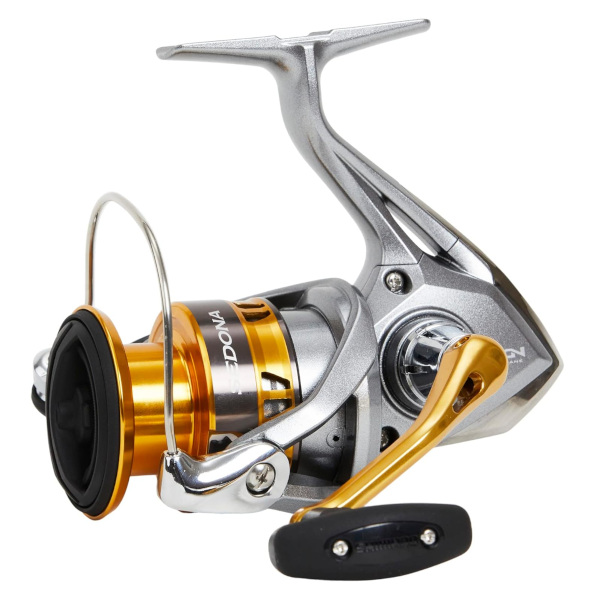
Shimano Sedona FI 2500
Better bearings and a noticeably smoother drag than the Good tier, which matters when a trout makes a hard run on light line.
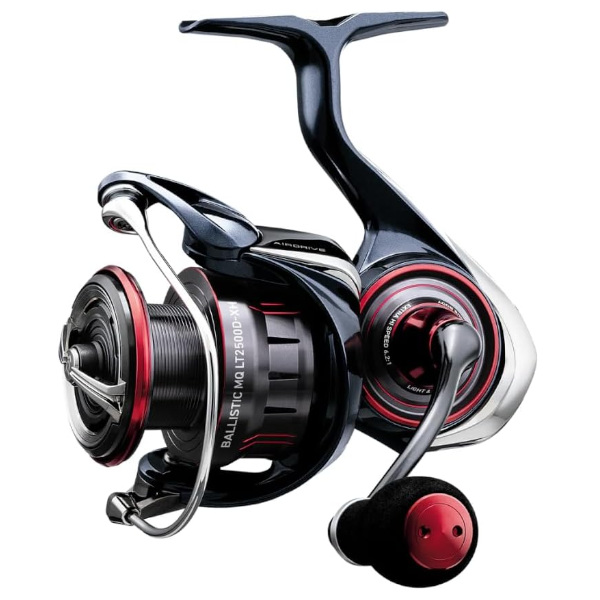
Daiwa Ballistic MQ LT 2000D-H
The reel featured in our full review — light in the hand for a full day of casting, smooth ATD drag for protecting light line, and Magseal protection for wet PNW conditions.
Frequently Asked Questions
What fish can you catch with a Rooster Tail spinner?
Trout are what the Rooster Tail is best known for, but the same spinning blade and pulsing hackle tail action also work on steelhead, salmon, bass, crappie, and perch. It’s one of the more genuinely versatile lures in a Northwest tackle box.
What size Rooster Tail is best for trout?
Smaller sizes — typically 1/16 oz to 1/8 oz — are the standard for trout in rivers and lakes. They’re light enough to cast accurately on light spinning gear and closely match the size of the baitfish and insects trout are already keying in on. Step up to 1/4 oz on bigger water or when you’re after larger trout, but for most PNW river and lake fishing, the smaller sizes are the safer bet.
What color Rooster Tail works best for trout fishing?
Start with darker, natural tones like black, brown, or green, then switch to white or yellow if those aren’t producing — the yellow coachdog pattern in particular has a long track record on Northwest rivers. Blade color matters too: silver is the standard starting point, with brass or copper worth trying on tougher days or in different light and water conditions.
How is fishing a Rooster Tail in a lake different from a river?
In a river, you cast upstream, let the lure drift and swing through the current, then lift the rod tip to engage the blade as it comes around. In a lake, you cast out, count the lure down to bottom, and adjust that count on each cast until you find the depth where fish are holding — then repeat it.
What’s the best line, rod, and reel for fishing a Rooster Tail?
A light spinning rod in the 6’6″–7′ range paired with 4–6 lb line is the standard setup. Monofilament like Berkley Trilene XL works fine for most trout fishing, while a fluorocarbon leader or braid-to-fluoro setup adds sensitivity and stealth for pickier fish. See the full gear breakdown above for picks at three budget levels.