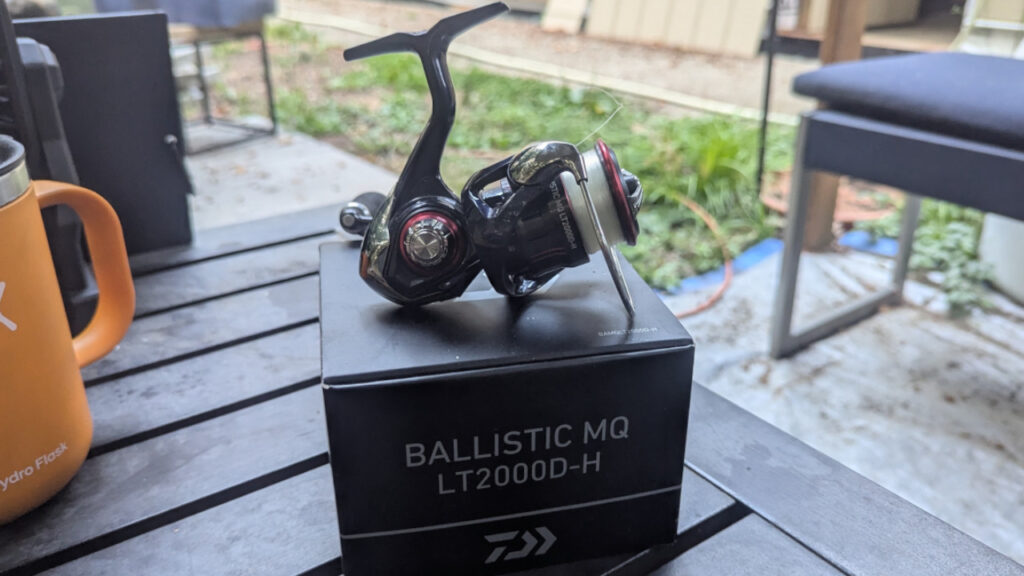
Earlier this year I was headed to Idaho for a fishing trip and realized that the spinning reel that had always been on my rod, had died the last time out, so I needed a new one. A little research later and I convinced myself the the ICAST top voted spinning reel was what I deserved and dropped $250 on the Daiwa Ballistic MQ LT. I felt like I’d really treated myself and not more than a little nauseous and the price tag. Worth it? Hell yeah – smooth drag, light in the hand, casts like a frigging cannon.
This morning I was looking at it and got to wondering just how pricey do spinning reels get these days. Spoiler – they get real pricey. On the upside, now my Ballistic looks like something you’d find in a gas station bargain bin next to the bobbers and worm containers. We’re talking reels that cost more than some of vehicles I’ve purchased. We are talking reels where the box alone probably has better engineering than of the homes I’ve lived in.
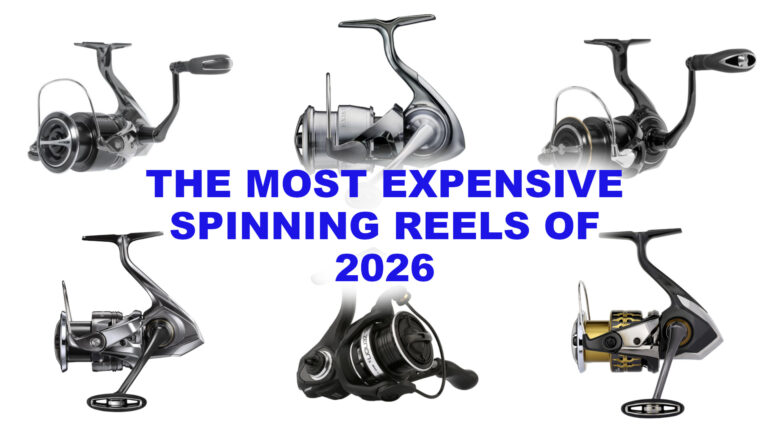
So here it is — a completely unnecessary, mildly horrifying tour through the most expensive spinning reels you can buy in 2026, saltwater and freshwater both. Some of these are genuinely built for hauling 100-pound tuna out of the Pacific. Others are just… really, really nice reels for catching bass. You be the judge of which category is which.
The Freshwater “Flagship” Tier
Freshwater and finesse reels don’t need sealed bodies rated for the open ocean, so the price ceiling is a lot lower than saltwater gear. “A lot lower” is relative, though — we’re still talking real money for a reel you’ll use to catch bass and trout.
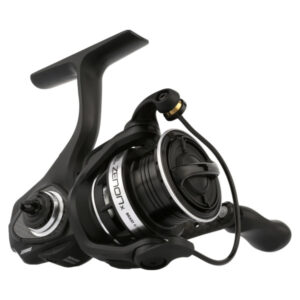
Zenon™ X Spinning Reel
Around $300, and proof that Shimano and Daiwa aren’t the only ones who know how to make a wallet-punishing reel. The Zenon X weighs in under 7 ounces thanks to an asymmetrical X-Cräftic body and V-Rotor design, packed with a 9+1 stainless HPCR bearing system and a Carbon Matrix drag. Anglers who’ve made the swap from a well-worn Stradic call it a straight upgrade — smoother, lighter, and it out-casts reels twice its price.
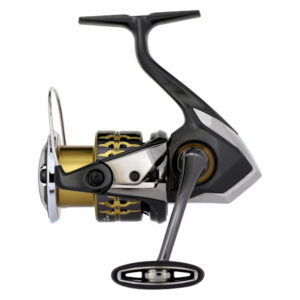
Shimano Sustain FK
Running $349–$400, this one’s a step down from the Stella FK but built from the same family tree — it borrows tech straight off Shimano’s top-tier Stella, including the HAGANE gear system and InfinityXross gearing, in a lighter, more affordable package. It’s the reel for someone who wants “Stella DNA” without quite going all-in on Stella money.
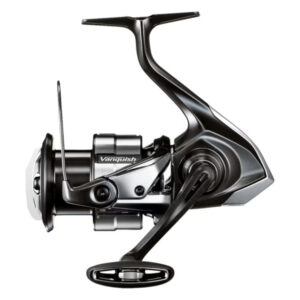
Shimano Vanquish
$530 for Shimano’s lightest spinning reel ever made. Built for finesse work — drop shots, Ned rigs, anything where “barely there” is the whole point. It sits in a weird spot where it’s expensive enough to make you wince, but still cheaper than half the reels on this list, which tells you everything about how skewed this whole category is.
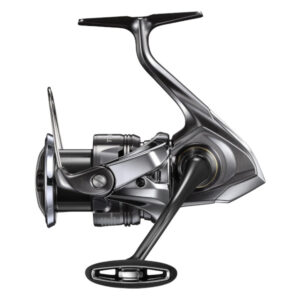
Shimano Twin Power
Sitting right around the same price as the Certate HD, this one’s a genuine coin-flip comparison — slightly heavier, slightly less refined by most accounts, but the difference is splitting hairs. If the Certate’s out of budget, this is where that “budget” goes instead.
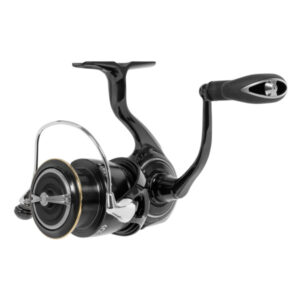
Daiwa Certate HD
$699.99, and widely considered the “best of the best” reel that can do double duty in fresh and saltwater without blinking. One-piece Monocoque body, MagSealed protection, and enough backbone to handle salmon, wipers, and catfish in the bigger sizes. This is the reel people buy when they’ve decided they’re only ever buying one more spinning reel in their life.
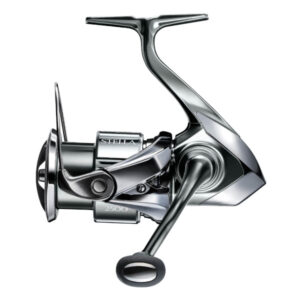
Shimano Stella FK
Running around $800–$900+ depending on size, this is Shimano’s freshwater and light-inshore flagship, and owners genuinely rave about it — smoothest drag on the market, most refined feel, buttery in a way that makes cheaper reels feel like they’re full of sand. It borrows tech straight off the saltwater Stella SW, just trimmed down for bass and trout instead of tuna.
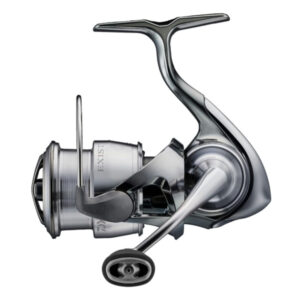
Daiwa Exist
$999.99, and the most expensive pure freshwater spinning reel on the market. Featherlight, absurdly smooth, and the reel serious tournament anglers buy when they’ve decided money is no longer a real concept to them. This one sets the ceiling for the whole list.
So… Is Any of This Worth It?
Here’s my honest take: for 95% of us fishing local lakes, rivers, and the occasional bass trip, a $1,000 Daiwa Exist is total overkill. My $239.99 Ballistic MQ has landed plenty of fish and hasn’t let me down once. The gap between a $250 reel and a $1,000 reel is real, but it’s not four-times-better real — it’s mostly shaved weight, smoother drag, and refinement most of us won’t notice mid-fight.
That said… if you’re a serious tournament angler, or you’re the kind of person who wants the absolute best regardless of cost, these reels earn their price tags through legitimate engineering, not just brand hype. Just don’t come crying to me when you’re too scared to actually fish it.
FAQ
Why are premium freshwater spinning reels so expensive? It mostly comes down to weight savings and refinement. Flagship freshwater reels use premium alloys, precision-cut gears, and top-tier bearings to shave every possible gram and eliminate friction, so the reel feels almost weightless in your hand during a full day of casting. None of that is cheap to manufacture at the tolerances these brands are working at.
Is the Daiwa Exist really worth it over the Shimano Stella FK? Depends who you ask — it’s basically the Ford vs. Chevy argument of the fishing world. Both are excellent, both will outlast you if you take care of them, and the “better” one usually comes down to personal feel and brand loyalty more than hard performance numbers.
What’s the most expensive reel that still makes sense for an average angler? Realistically, most people are perfectly served by something in the $150–$300 range — reels like the Ballistic MQ, Vanford, or Zenon X give you 90% of the performance of a flagship reel without the flagship price tag.
Do I need a flagship reel if I’m just fishing local lakes and rivers? No — the smoothness and weight savings a $700–$1,000 reel gives you are nice, but they’re not going to catch more fish than a solid $200 reel will. Save the money and put it toward better line or a rod upgrade instead.